Heroes and CEO’s and headlines and hit-songs and money and betrayal and loyalty
(with Ferdinand Waas)
(with Ferdinand Waas)
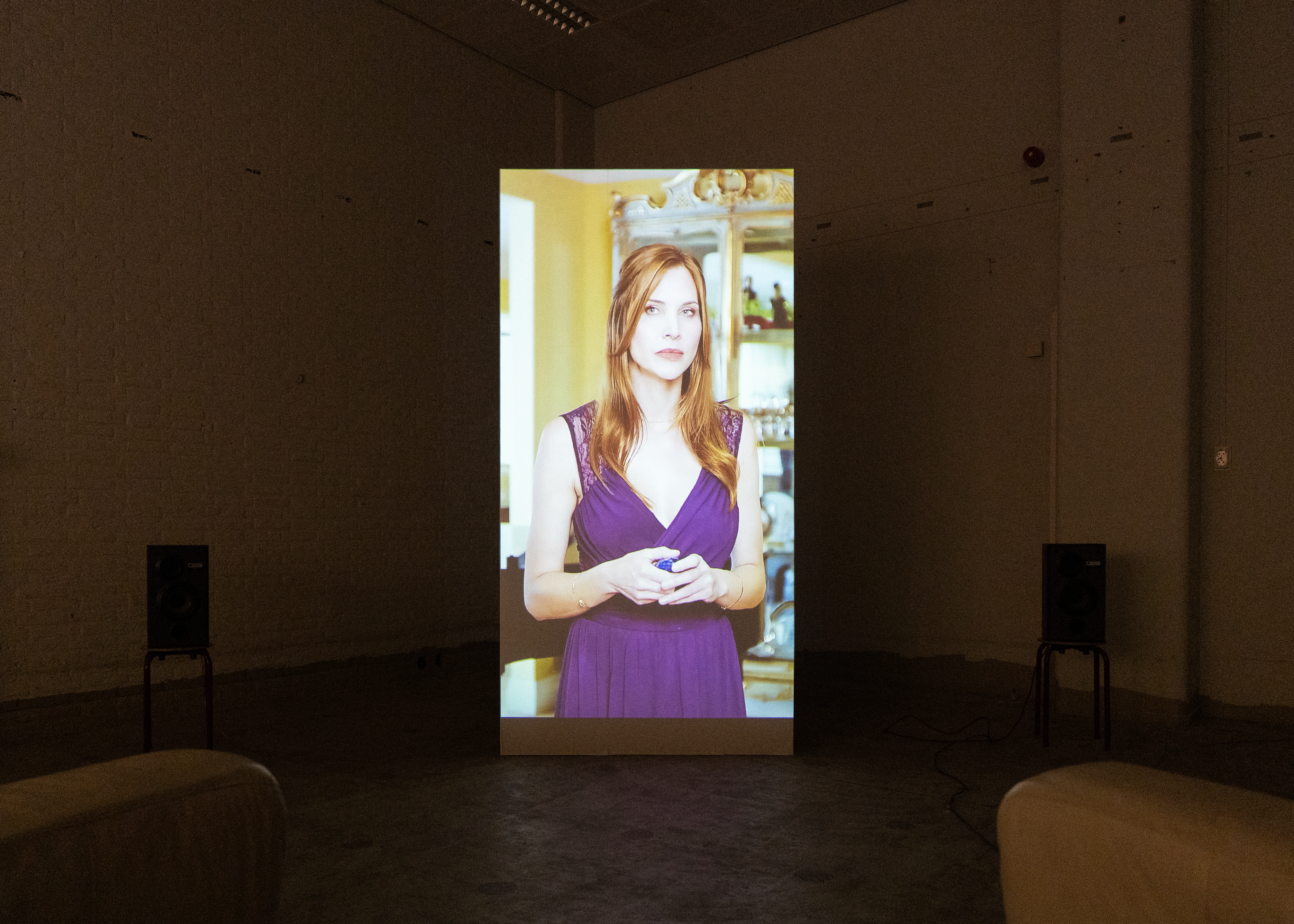
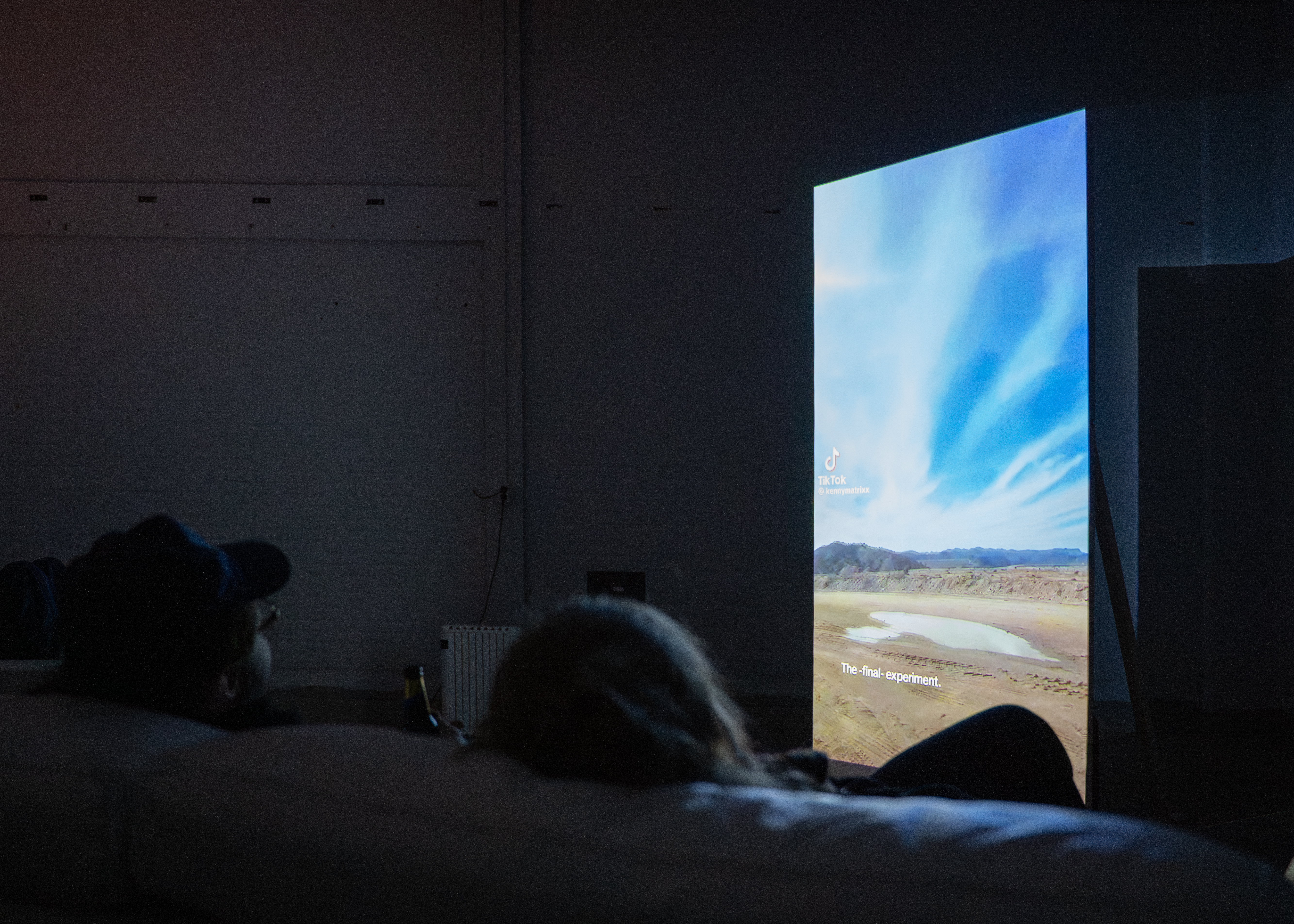
Screened at the first of three film screenings that comprise the program Short/Long/Live, Heroes and CEO’s and headlines and hit-songs and money and betrayal and loyalty consists of 60 episodes of the microdrama Queen Mom Rules, interrupted by tiktoks between each episode.
120’, screened at The Servers, Den Haag
About the program:
Short/Long/Live is a film program selected by Ferdinand Waas and Baroeg Mulder. Split into three separate screenings, the program traces different ways of ‘watching’ and what these habits reveal about the visual culture we live in. Gathering the tendencies and extremes of moving image, Short/Long/Live repositions different modes of viewing within a collective setting.
Starting with micro-dramas shaped by TikTok-culture, followed by a long-form endurance viewing and the immediacy of live streams, the screenings span an evolving field of attention. Some of these forms are just emerging, others persist on the margins, yet all anticipate how moving image will continue to structure our time, emotions, and perception.
The screenings function as a survey of formats rather than a single narrative. Together they expose the contrasts that define our contemporary spectatorship where stimulation, distraction, and numbness coexist and reflect a moment in which the act of watching becomes both subject and symptom.
120’, screened at The Servers, Den Haag
About the program:
Short/Long/Live is a film program selected by Ferdinand Waas and Baroeg Mulder. Split into three separate screenings, the program traces different ways of ‘watching’ and what these habits reveal about the visual culture we live in. Gathering the tendencies and extremes of moving image, Short/Long/Live repositions different modes of viewing within a collective setting.
Starting with micro-dramas shaped by TikTok-culture, followed by a long-form endurance viewing and the immediacy of live streams, the screenings span an evolving field of attention. Some of these forms are just emerging, others persist on the margins, yet all anticipate how moving image will continue to structure our time, emotions, and perception.
The screenings function as a survey of formats rather than a single narrative. Together they expose the contrasts that define our contemporary spectatorship where stimulation, distraction, and numbness coexist and reflect a moment in which the act of watching becomes both subject and symptom.